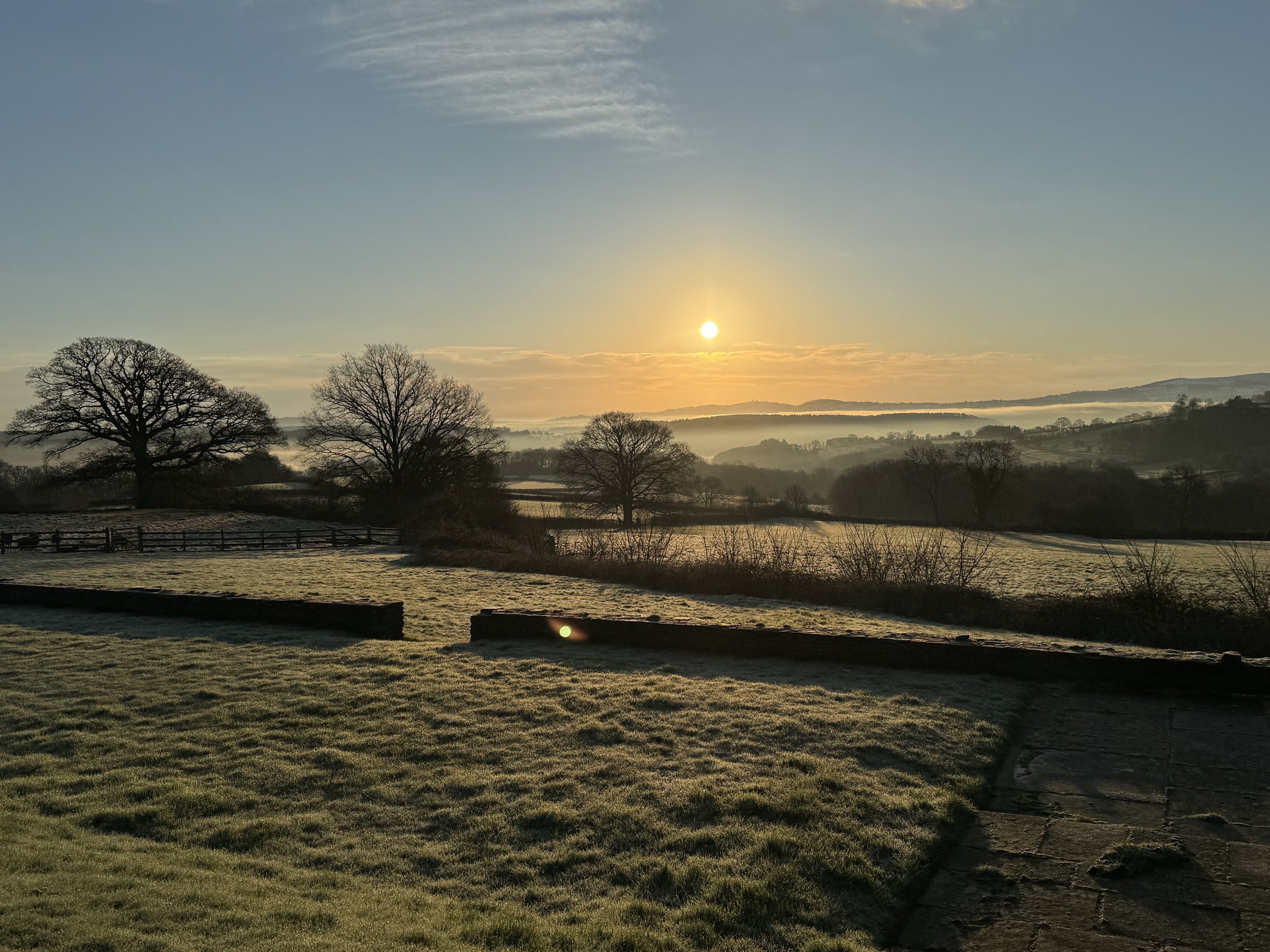
Protecting and restoring the best. Rewilding the rest.
Creating new woodland
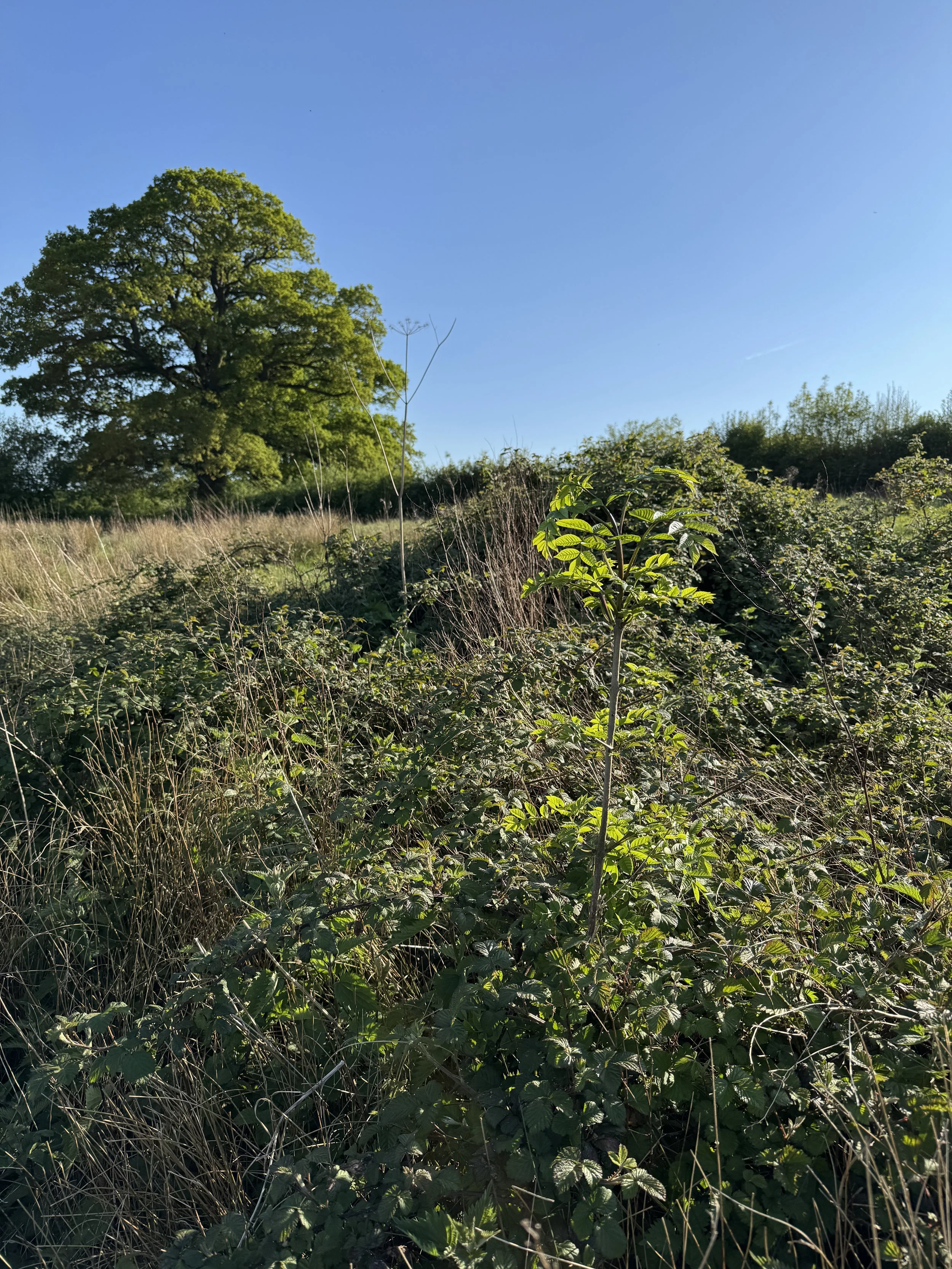
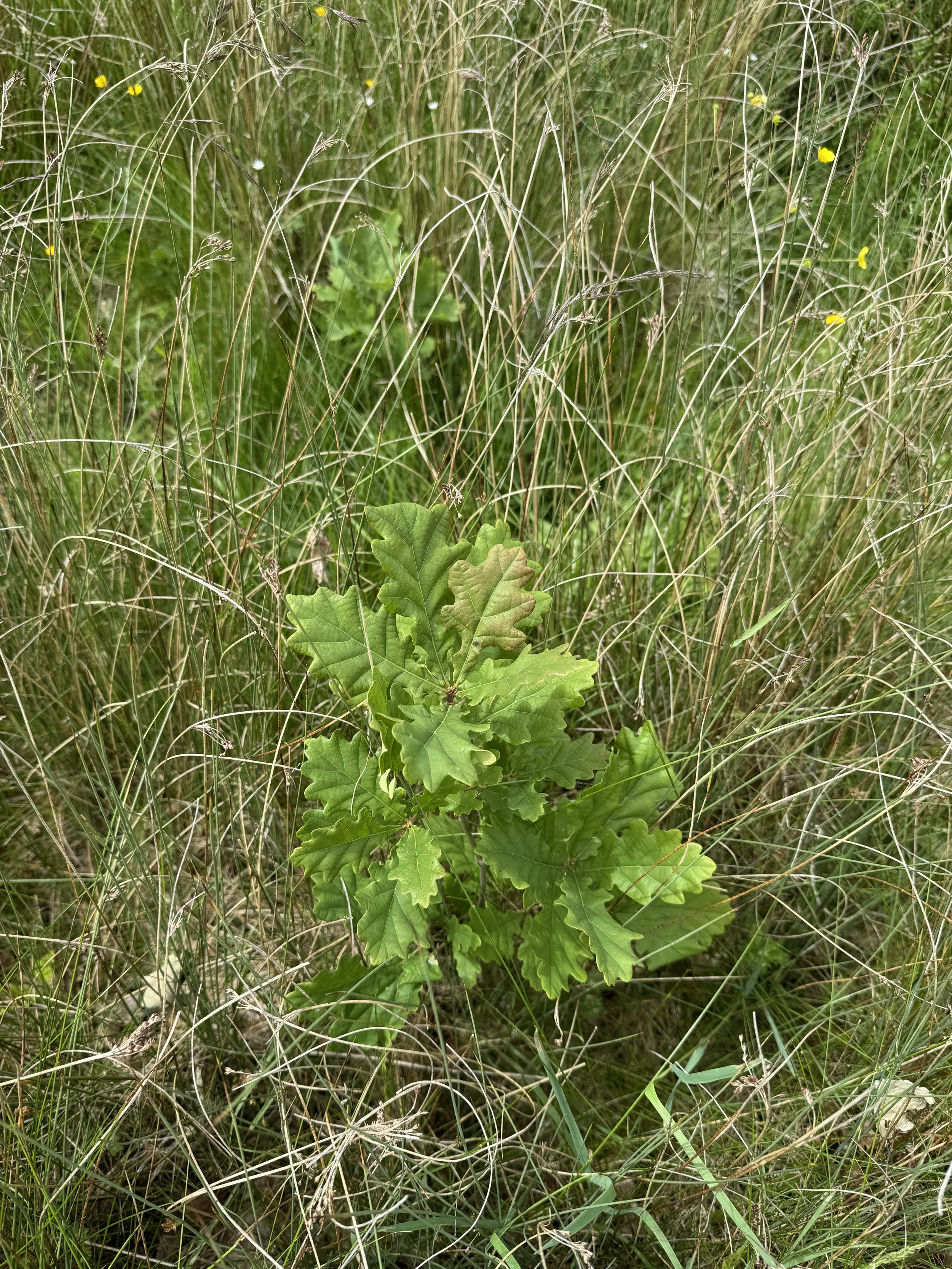
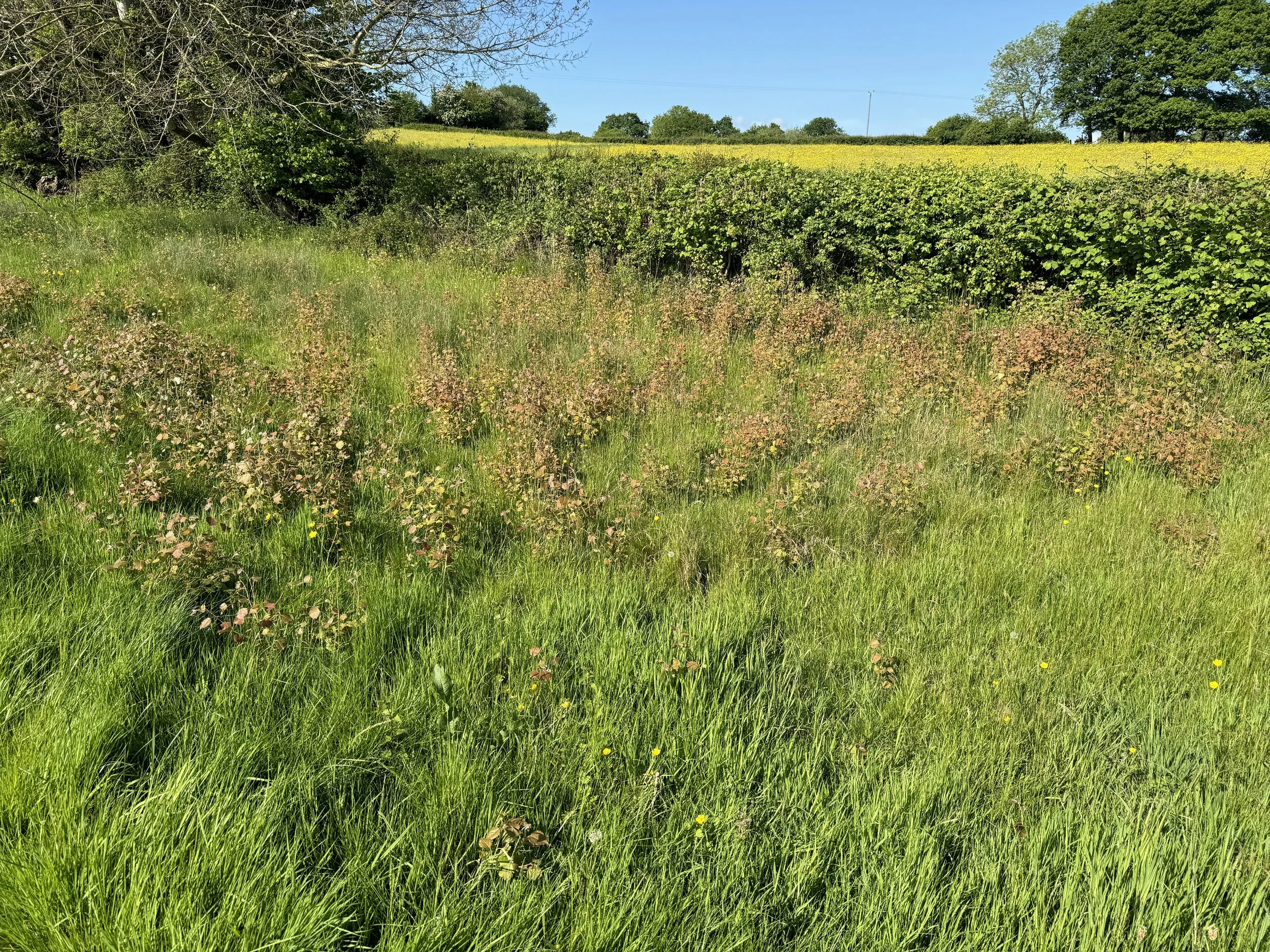
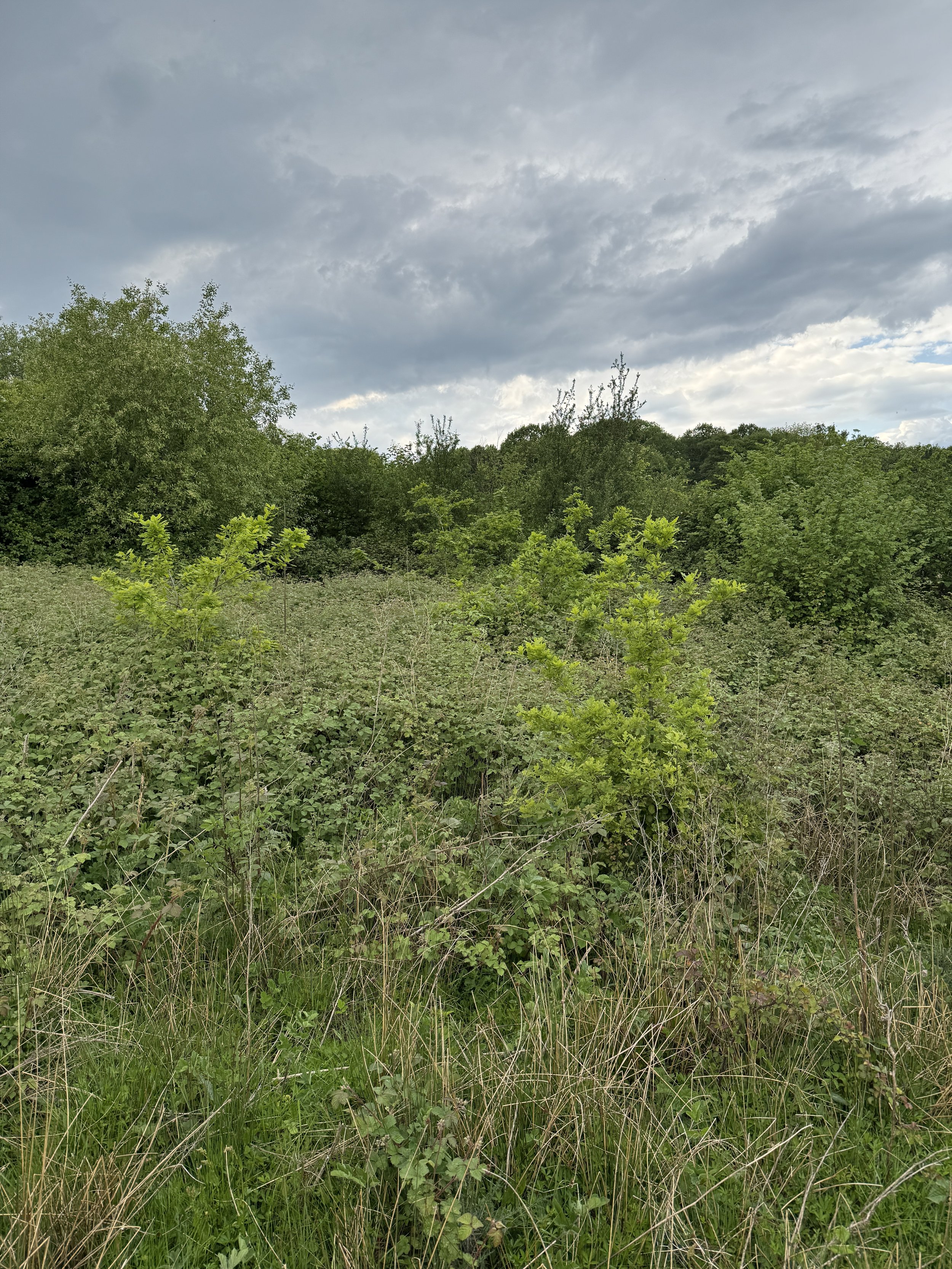
We are creating 35 acres of new woodland, but we're not doing it by planting trees. We're taking the approach of natural colonisation, which means leaving nature to do the planting.
The spots we've chosen are next to existing ancient woodland, which means there are plenty of mature trees to provide the seed that will sow our new woodland. Some will be carried by the wind like birch, others by birds like oak, some by small mammals like hazel, and others spread vegetatively like aspen.
Creating a woodland this way will be much slower than planting, but there are a few key advantages. We should gain a scrubby successional habitat along the way to the benefit of birds and insects, and the resulting woodland will be much less uniform and even-aged than a plantation. This approach also minimises the risk of tree disease, encourages natural selection pressures on tree genetics, and avoids the use of plastic tree shelters.
There are some good examples of natural colonisation woodland creation from Monk's Wood in Cambridgeshire and the Broadbalk and Geescroft Wildernesses at Rothamsted Experimental Station in Hertfordshire, but it's still poorly understood. So we've joined Forest Research's Large Ecosystem Recovery Network (LERN) which is studying this method of woodland creation to understand the benefits and any drawbacks.
Expanding these ancient woodlands will create more habitat for the woodland specialist birds that are already present, such as Marsh Tit Poecile palustris, Pied Flycatcher Ficedula hypoleuca, Spotted Flycatcher Muscicapa striata, and Hawfinch Coccothraustes coccothraustes.
Creating Wood Pasture
Our woodland creation will eventually lead to closed canopy woodland, but recently conservationists have come to think the natural European landscape was more open than we previously thought. The pressure of wild grazing animals, as well as the impact humans have had on the landscape for millenia, would've prevented the entirety of Europe becoming dense woodland.
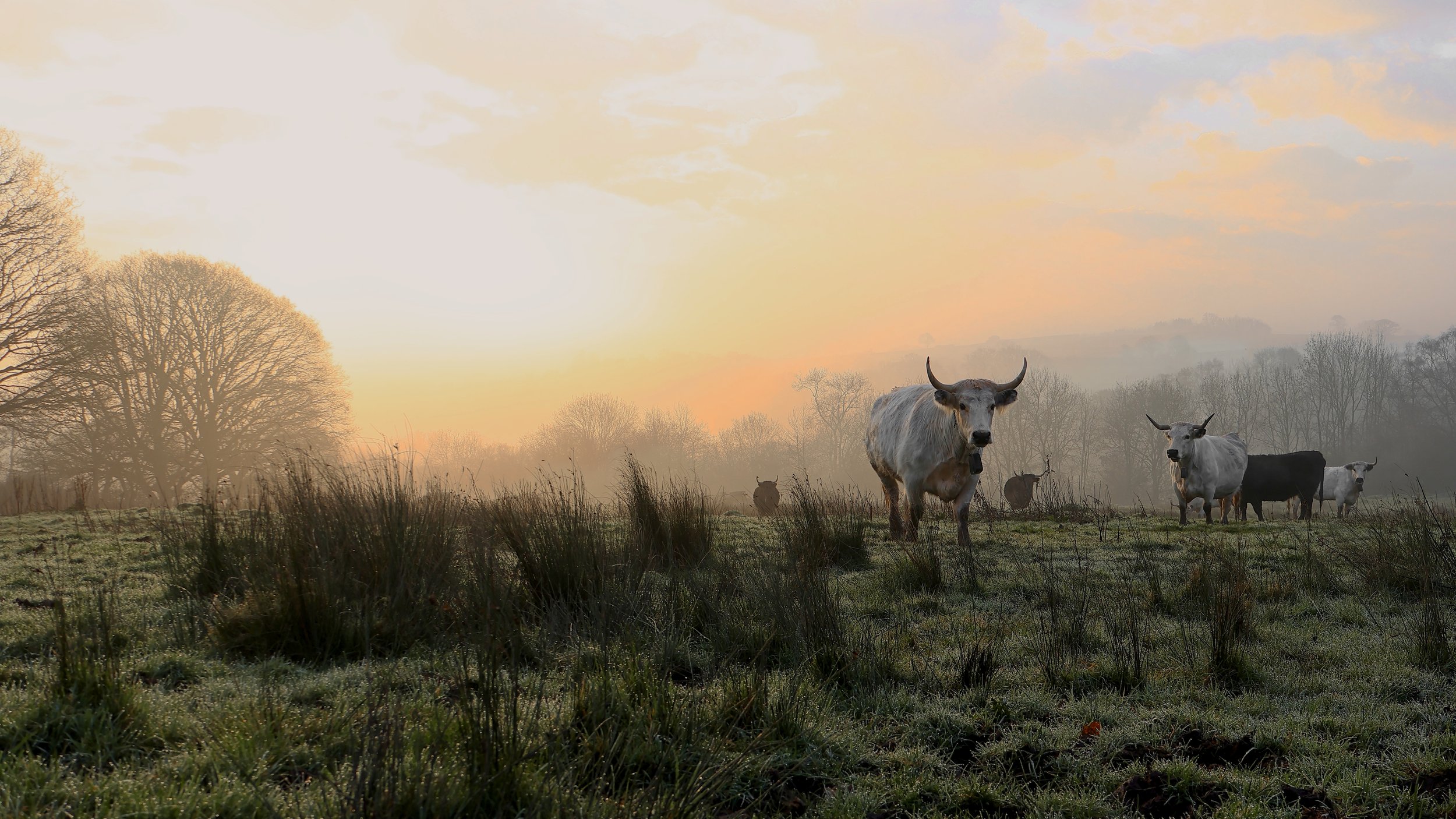
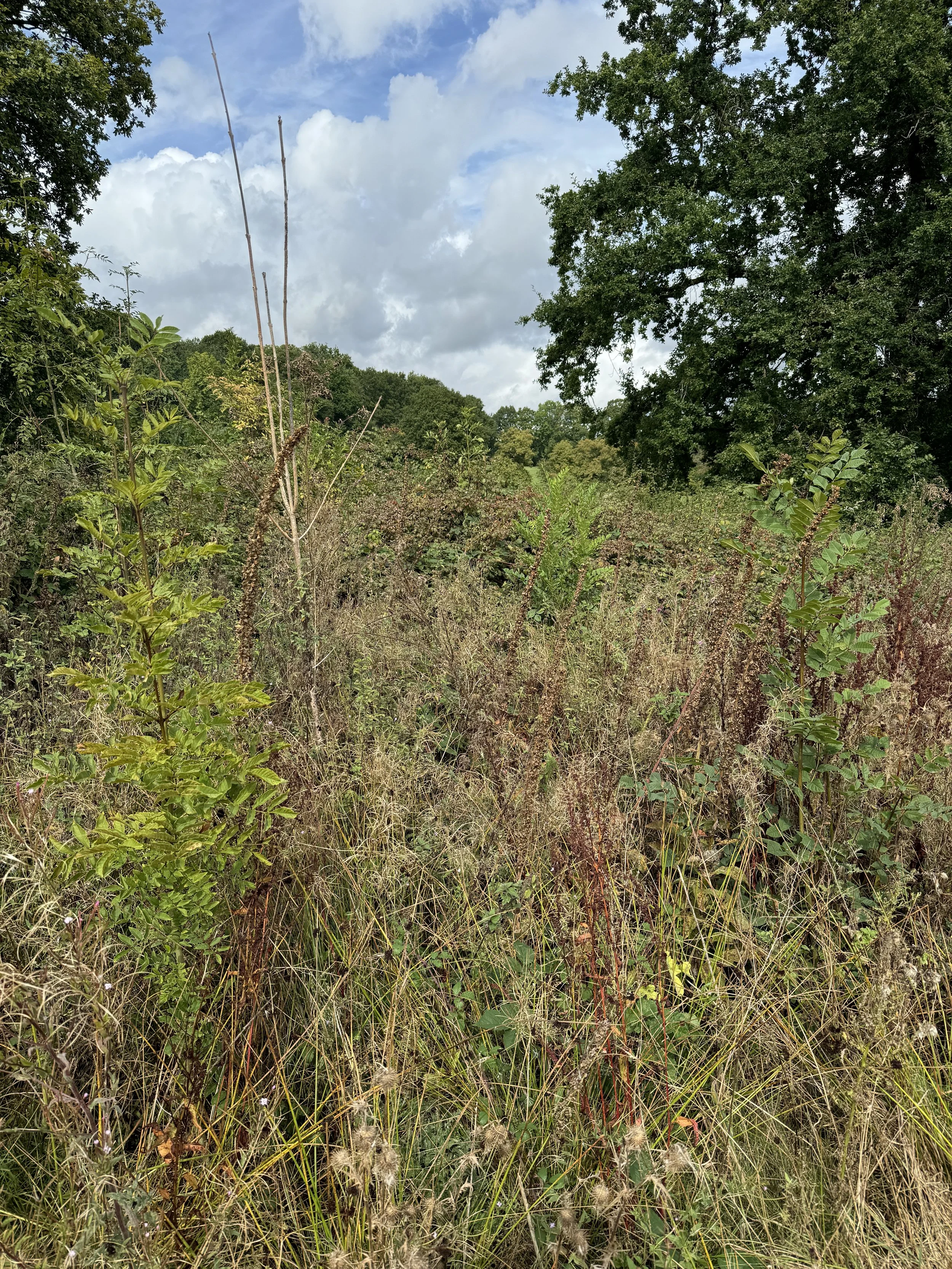
To this end, alongside our woodland creation we're also creating 100 acres of wood pasture, an open, woody landscape that combines trees, scrub, and grassland. Through light grazing by native breed cattle, and disturbance from pigs to open up the grassy sward, scrub will gradually start to increase. This scrub is incredibly valuable for birds like Whitethroat Sylvia communis, Yellowhammer Emberiza citrinella, and Linnet Linaria cannabina, as well as invertebrates. It will also protect tree saplings from grazing, thereby eventually establishing wood pasture.
The sites where a scrubby wood pasture has developed through natural processes, such as Strawberry Hill in Bedfordshire or Knepp's Southern Block in Sussex, were all ex-arable. Which means lots of bare ground for plants to colonise. Our site is all grassy pasture, so to kickstart the process we are doing some planting of scrub islands and parkland trees to kickstart the process.
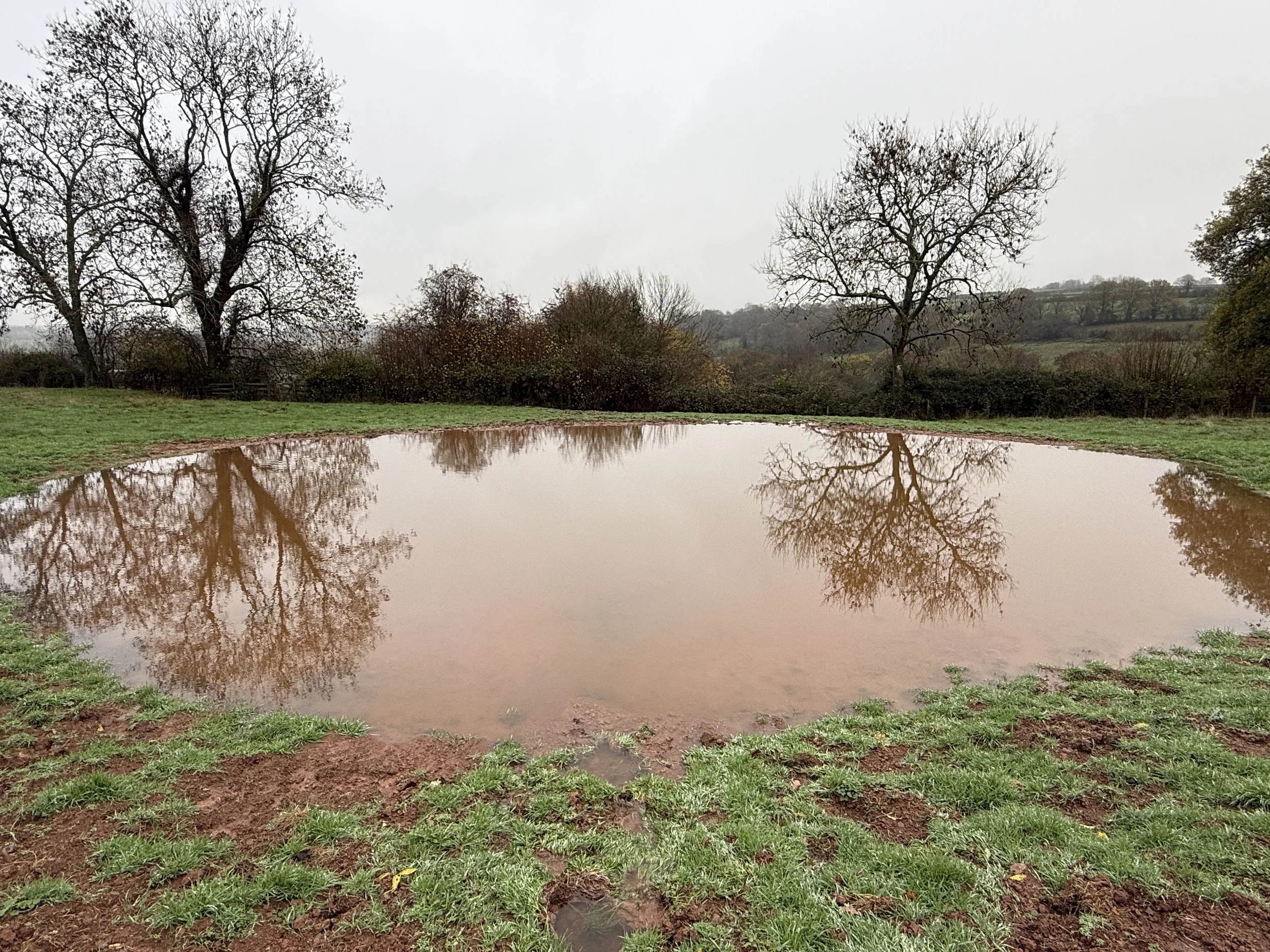
Creating new ponds
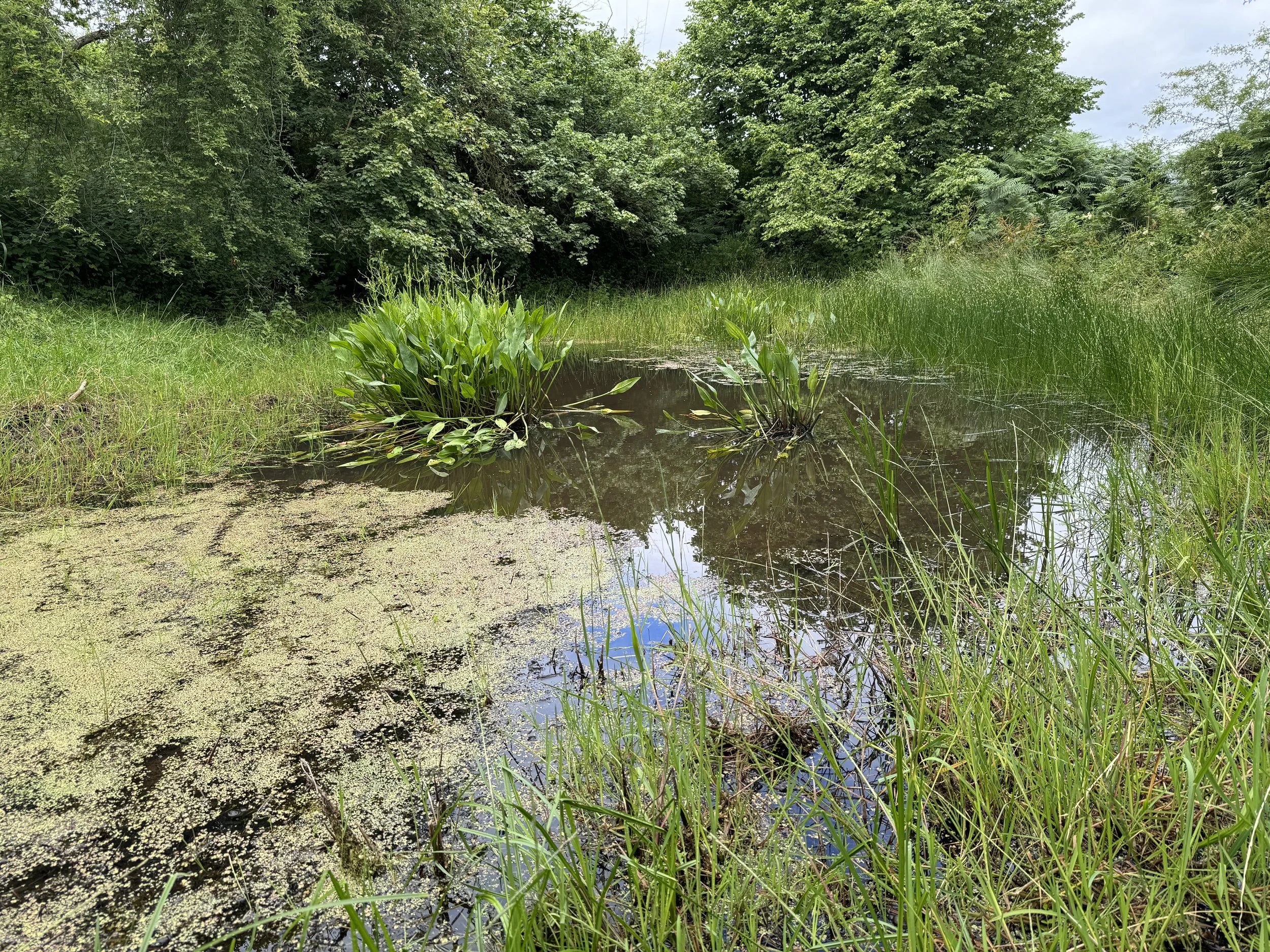
Some types of ponds in the UK are natural, such as pingos that were created when the ice sheet retreated, or ox-bow lakes, but generally the ponds we have are manmade. However, there are many natural processes missing today that would have created wetlands, such as beaver ponds and large herbivore wallows.
Regardless of how they are formed, ponds support a lot of life. And because ponds are often temporary, pond life has evolved to be very mobile, often turning up at new ponds within hours. Which means creating ponds can be an effective way to enhance biodiversity.
We are creating a small number of ponds to increase wetland habitat and support the Great Crested Newts Triturus cristatus we have on site. We have a few existing ponds but they are relatively shaded or in woodland, which tend to support less life. We will be creating ponds within grazed fields, and while they may look a bit poached and muddy, research from the Freshwater Habitats Trust has consistently found that low-intensity grazed waterbodies have higher conservation value than ungrazed ones. Cattle hooves create microhabitats around the pond edge and their grazing keeps the pond open to light.
Restoring grassland
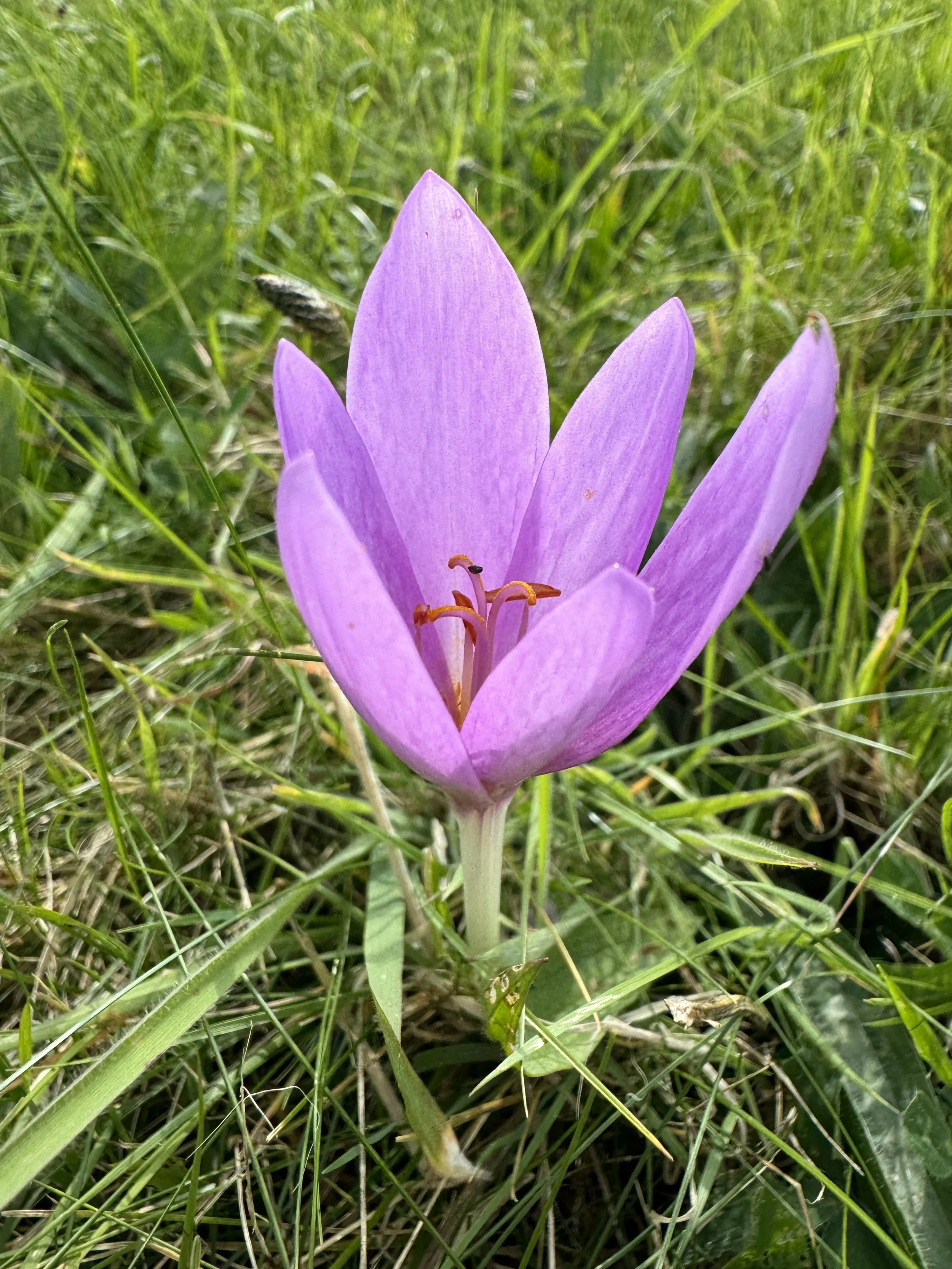
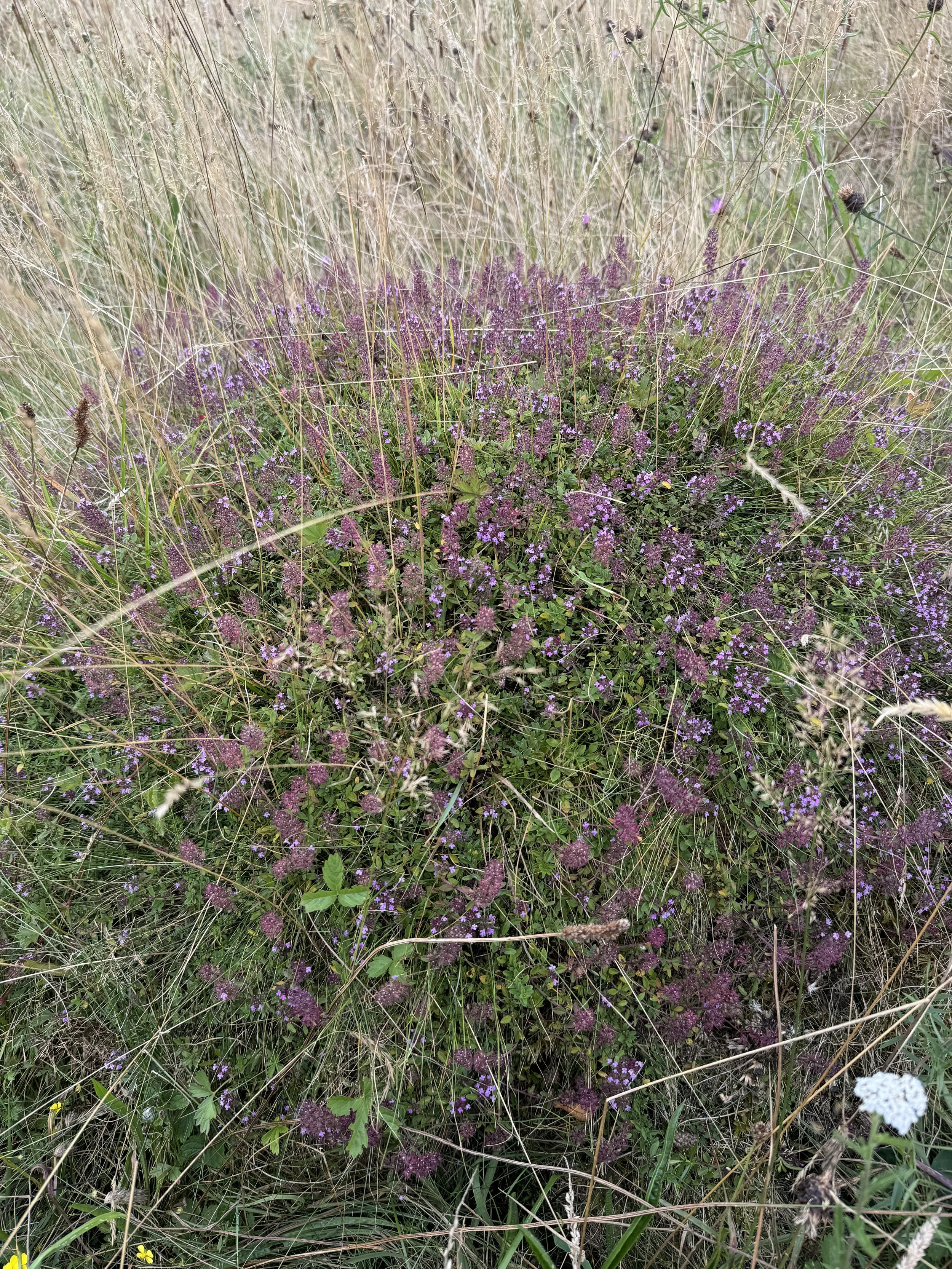
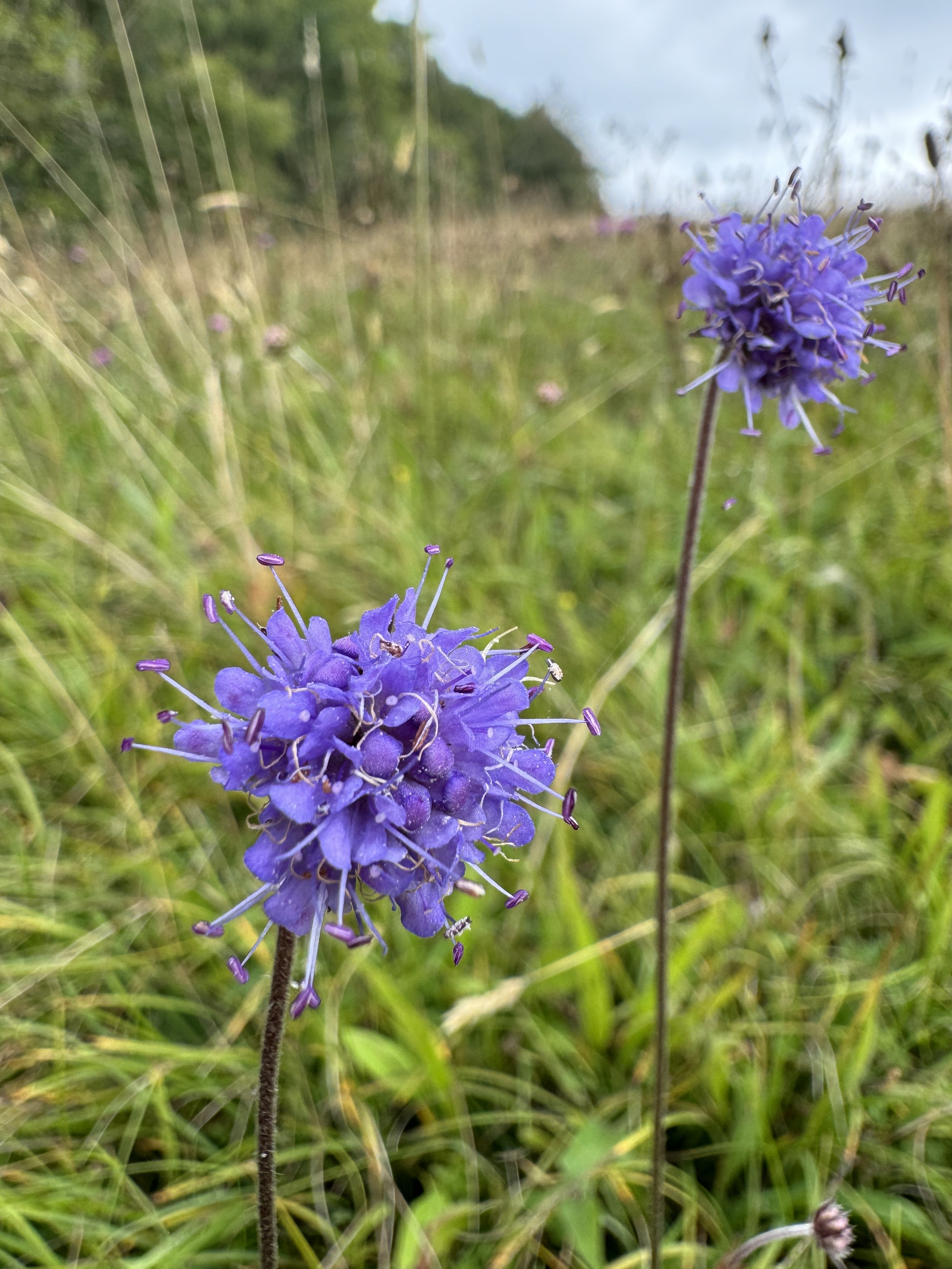
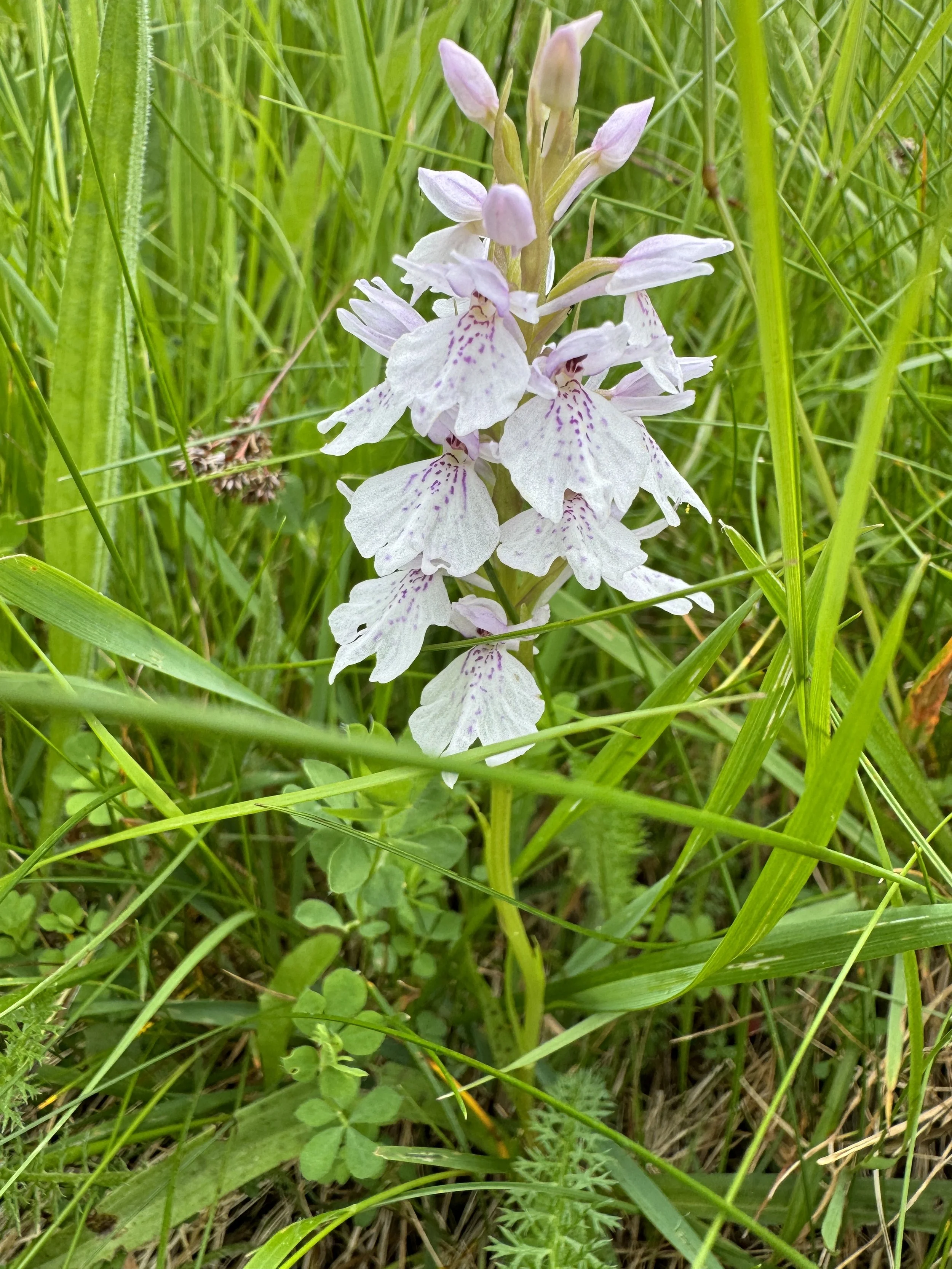
There are around 30 acres acres of species-rich grassland at The Meadowlands.
Most this has not been cut for a long time and is covered in anthills. Anthills can grow very fast, so it's quite likely it's only been a few decades since these fields underwent some degree of agricultural improvement. While they are recovering, they are grass-dominated and much less species rich than would otherwise be the case. The small pockets of unimproved grassland within them, where we recorded as many as 33 species per transect and which are 85% forbs, reveal what has sadly been lost. Nonetheless, these species-rich fields are still good by national standards, and through sympathetic grazing we hope to see the flowering plants gradually expand.
Previously a large proportion of the site was cut for silage each year. Rather than halt all cutting, we have decided to keep cutting one field as a comparator, to see what happens compared to the other species-rich grassland that are only grazed. We're moving from an early silage cut to a late hay cut which will benefit flowering plants.
Managing our existing woodland
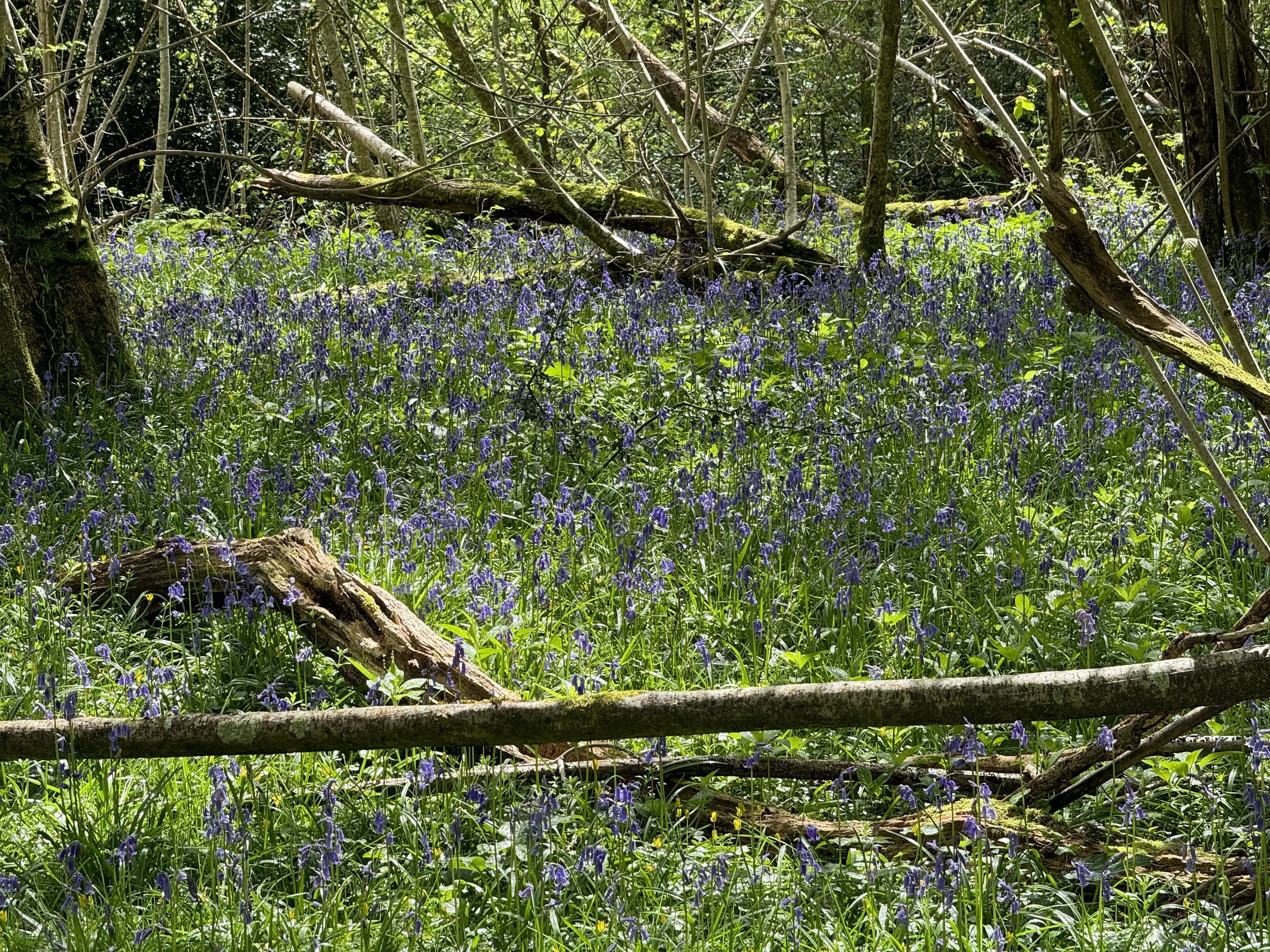
Our woods already support an impressive assemblage of woodland specialists. Plants like Herb Paris Paris quadrifolia, Toothwort Lathraea squamaria, and Yellow Archangel Lamium galeobdolon make up the ground flora, and birds like Marsh Tit Poecile palustris, Pied Flycatcher Ficedula hypoleuca, Spotted Flycatcher Muscicapa striata, and Hawfinch Coccothraustes coccothraustes are found in the canopy. There are also interesting bryophytes along the dingle, which all goes to say that any work to the woodland needs to be careful and considered. While it is currently quite dark in places and doesn't support ride and clearing associated species like butterflies, there is no guarantee that creating this habitat would bring them back, and there is a lot to lose if managed incorrectly.
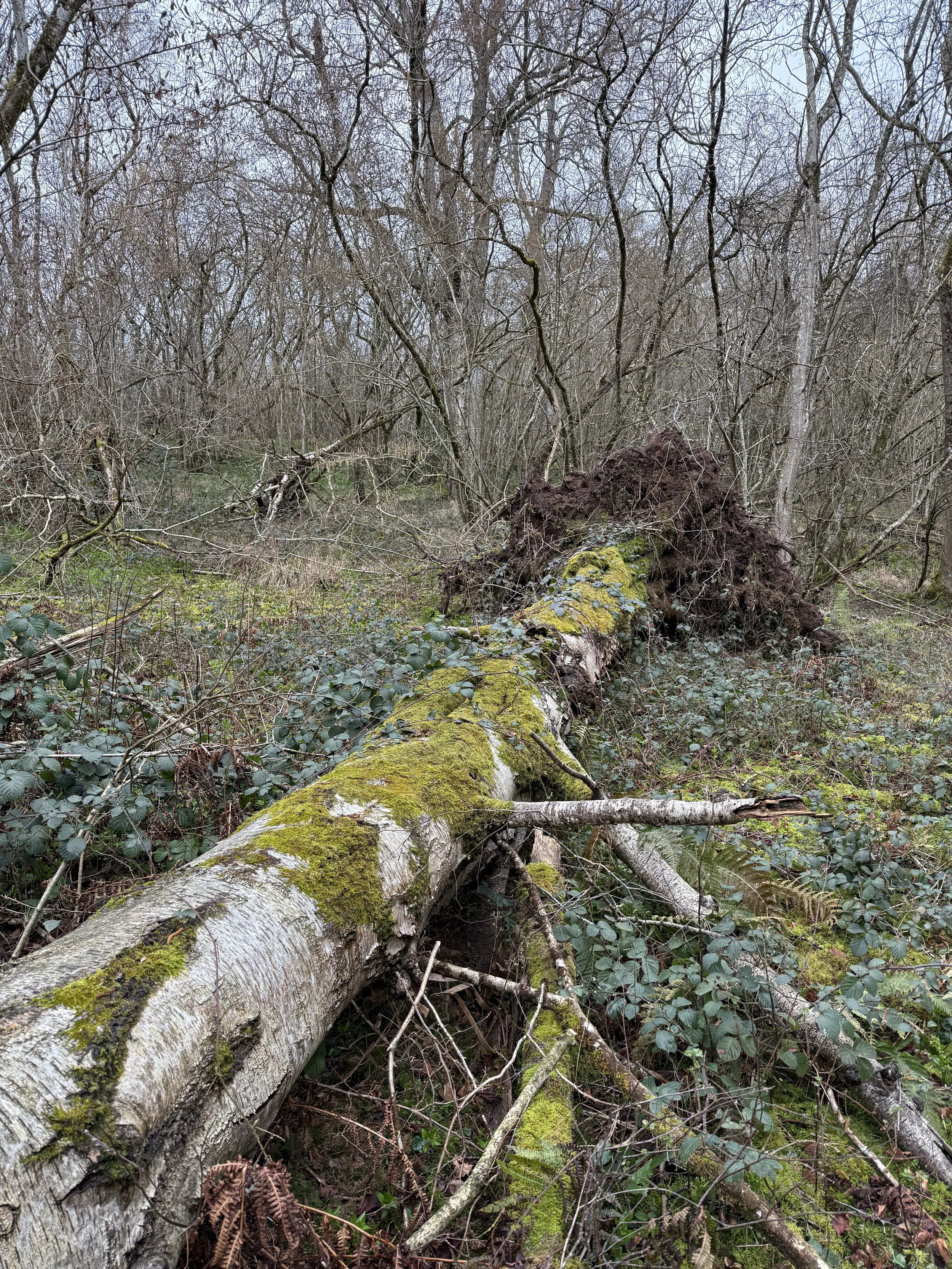
In the ancient sections of the woodland, where old trees are falling in our increasingly wet winters, the structure is already quite varied with a range of tree species of different ages. And deadwood is increasing.
In newer secondary woodland however - some planted and some created through natural colonisation - selective thinning will improve the woodland structure, and leave standing and fallen deadwood to benefit birds and saproxylic insects (dependent on dead and dying wood). Creating a ride through the woods will make management much easier, and may benefit light-demanding species like butterflies and woodland flora.
The most important intervention though is deer control, and to a lesser extent grey squirrel control. Deer are threatening the woodland understory and the regeneration of saplings, while Grey Squirrels Sciurus carolinensis ringbark new trees emerging in canopy gaps and may predate birds. It is essential we control their numbers in the absence of natural predators. Our hope is we one day find Pine Martens Martes martes have returned and can control the Grey Squirrels for us.
Restoring the orchard
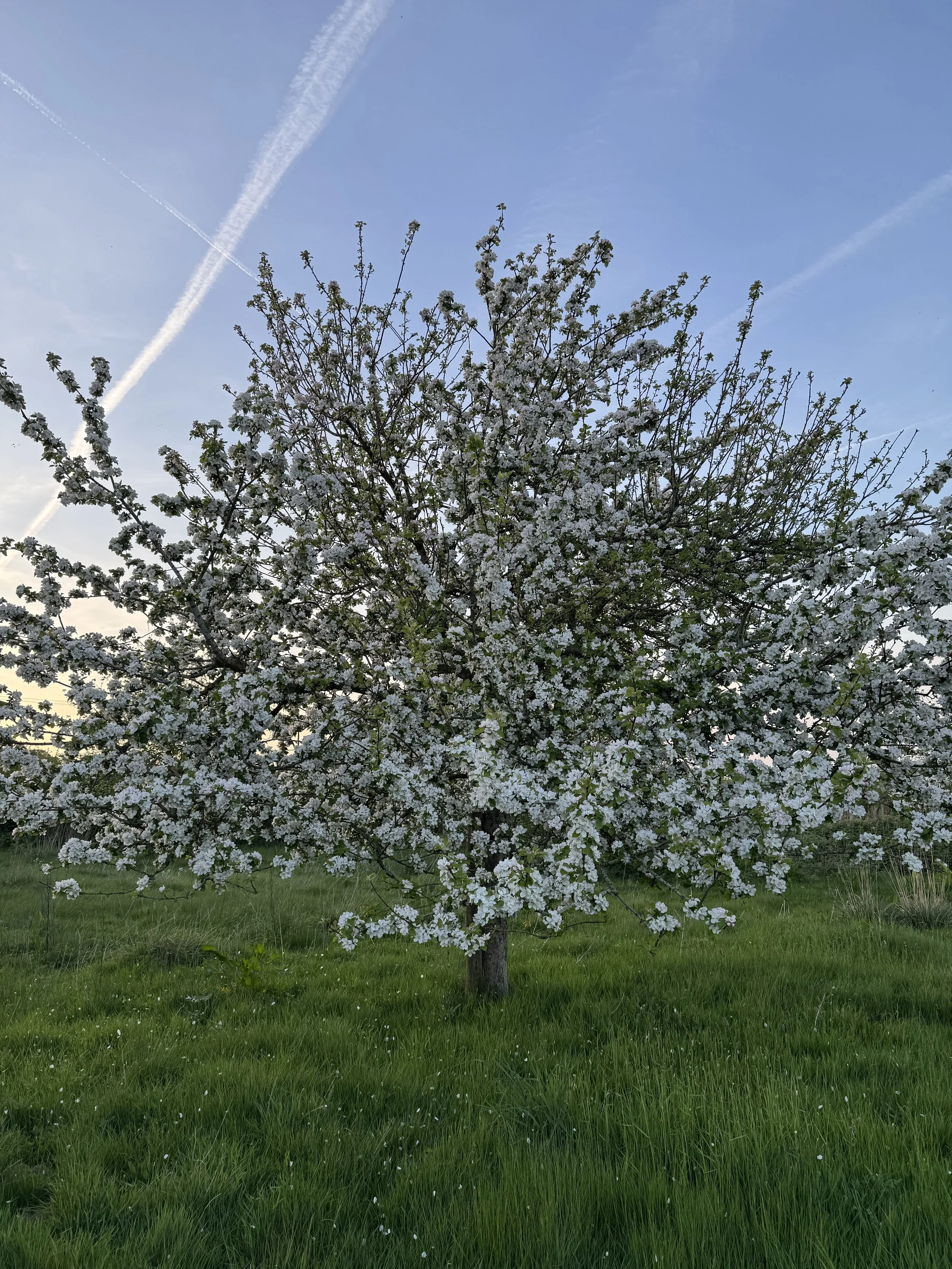
Orchards are a form of wood pasture. They provide valuable habitat for pollinators in spring and birds over winter, and the field below can be species-rich grassland if managed right.
We have a small orchard that is around twenty-five years old and in need of some work. We'll be conducting restorative pruning to improve the health of the trees, planting local varieties to expand the orchard and improve the age structure, and retaining all deadwood to benefit any deadwood specialists like birds and saproxylic insects.
We've stopped the year-round grazing by sheep of the pasture below, and will move to an annual hay cut to improve the floral diversity.